
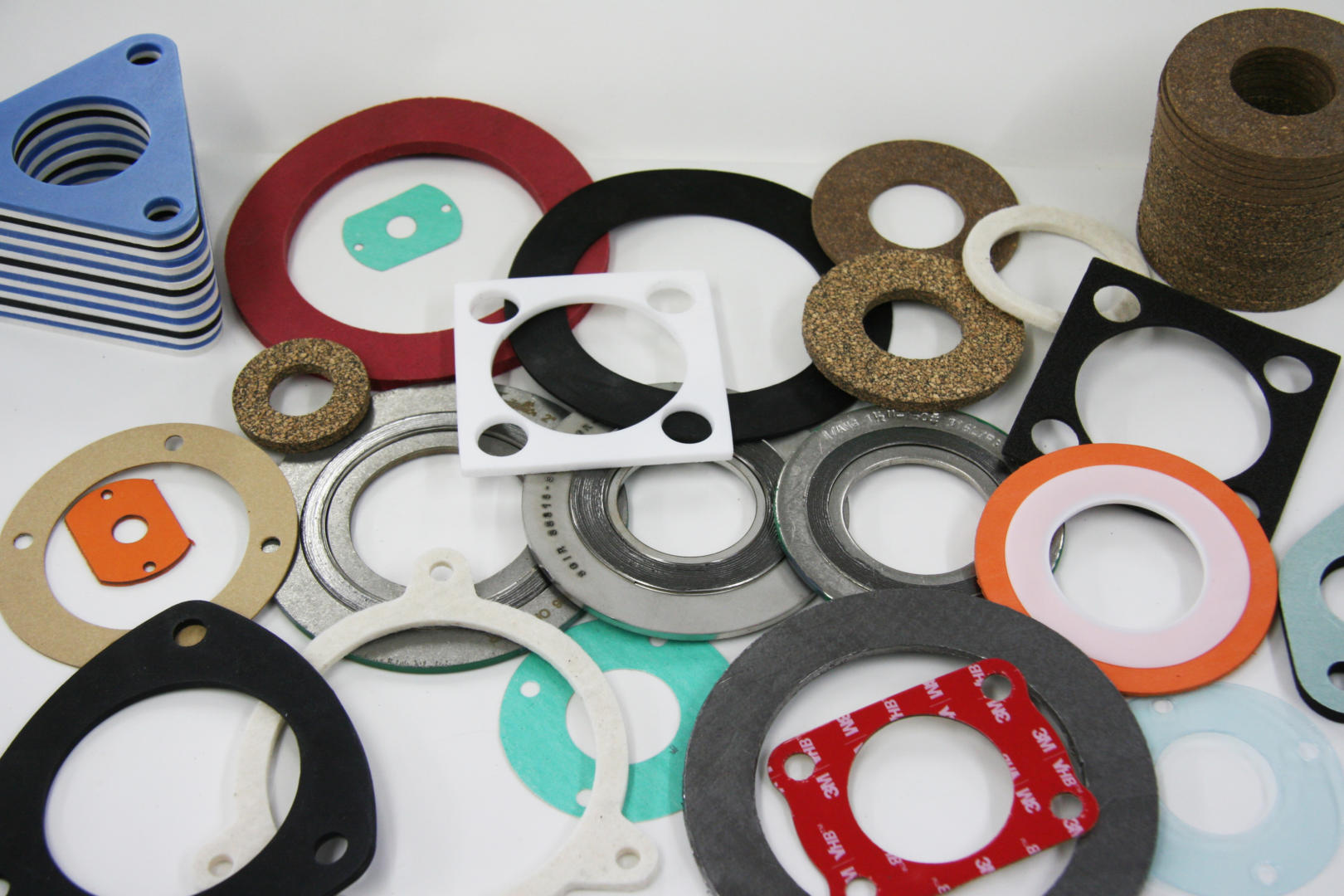
A gasket is a mechanical seal used to fill the space between two mating surfaces, preventing leakage of fluids or gases. They are crucial components in many industries, including automotive, plumbing, chemical, and manufacturing, ensuring that systems operate efficiently and safely by creating a tight seal. Gaskets come in various shapes, sizes, and materials to suit specific applications.
| Type of Gasket | Description |
|---|---|
| Spiral Wound Gasket | Made by winding a metal strip with a non-metallic filler material, these gaskets provide excellent sealing properties in high-pressure and high-temperature applications. |
| Sheet Gasket | Flat gaskets made from compressed sheet materials such as rubber, cork, or fiber, used for general sealing purposes in low-pressure systems. |
| Ring Joint Gasket | A solid gasket made from metal, designed for high-pressure and high-temperature applications, typically used in flanged pipe joints in the oil and gas industry. |
| O-Ring Gasket | A circular gasket typically made of rubber or elastomer materials used to prevent fluid leakage in static or dynamic sealing applications. |
| Corrugated Gasket | Made from a combination of metallic materials and an elastomeric seal, these gaskets are used in high-pressure applications. |
| Cork Gasket | Made from compressed cork, used in low-pressure systems, often in automotive or machinery applications. |
| Rubber Gasket | Commonly used in sealing applications that require flexibility, such as pipe joints and tanks. Made from rubber compounds like EPDM, neoprene, or nitrile. |
| Metallic Gasket | Made of metal, providing exceptional durability and resistance to extreme pressures, temperatures, and harsh environments. |
| Specification | Details |
|---|---|
| Temperature Range | Gaskets are designed to handle various temperature ranges depending on the material. Common ranges are from -60°F to +1500°F (-51°C to +815°C) for certain materials. |
| Pressure Rating | Pressure ratings vary depending on the gasket type and material. For example, spiral wound gaskets can handle pressures up to 5000 psi. |
| Size | Gaskets come in a wide range of sizes, from small O-rings to large flange gaskets, with sizes tailored to the specific application requirements. |
| Material | Materials include rubber, cork, metal, graphite, PTFE, and composite materials. Selection depends on factors such as chemical resistance, pressure, and temperature tolerance. |
| Sealability | The ability of the gasket to provide a tight seal without any leakage is essential for the effectiveness of the gasket. This depends on material, surface finish, and compression properties. |
| Material | Typical Use |
|---|---|
| Rubber | Used for sealing low-pressure systems or applications requiring flexibility. Common types include Nitrile, EPDM, Neoprene, and Viton. |
| Cork | Used for sealing in lower pressure environments, often used in automotive or machinery applications. |
| Metal | Commonly used in high-temperature, high-pressure environments, such as in the oil and gas industries. Types include stainless steel, copper, and aluminum. |
| Graphite | Used for high-temperature applications and when dealing with aggressive chemicals. It has excellent thermal conductivity and chemical resistance. |
| PTFE (Teflon) | Used in chemical processing and food-grade applications due to its high chemical resistance and low friction properties. |
| Fiber | Used in a wide range of applications, including lower-pressure systems, combining flexibility and strength. |
Proper maintenance is critical to ensure that gaskets perform their sealing function effectively. Here are some best practices: